
Small Business Finance Management Program
Running a business in regional Australia means wearing multiple hats — and the finance one can feel pretty heavy. This program breaks down money management into practical steps you can actually use. We focus on what matters: cash flow tracking, basic tax planning, and making sense of your numbers so you can make better decisions.
Learning Path Structure
Our approach isn't about turning you into an accountant. It's about giving you the confidence to understand your business finances and spot problems before they become crises. Each module builds on the last, but you can work at your own pace.
Foundation Month
Weeks 1-4- Understanding your current financial position
- Setting up simple tracking systems that work
- Separating personal and business money properly
- Creating realistic budget frameworks
- Learning where your cash actually goes
Cash Flow Management
Weeks 5-10- Reading and interpreting your bank statements
- Building accurate cash flow forecasts
- Managing seasonal income variations
- Dealing with late payments effectively
- Planning for tax obligations quarterly
Growth Planning
Weeks 11-16- Pricing strategies that reflect real costs
- Deciding when to invest in equipment or staff
- Understanding profit margins by product or service
- Creating financial scenarios for major decisions
- Building emergency reserves that make sense
Assessment
Week 1Current financial health check
Setup
Weeks 2-3Implement tracking systems
Practice
Weeks 4-8Daily money management
Forecasting
Weeks 9-12Build prediction skills
Strategy
Weeks 13-16Plan for growth

Real Business Scenarios
Every lesson connects to situations you'll encounter — from handling GST calculations to deciding whether you can afford a new hire. We use examples from retail, trades, professional services, and agriculture because different businesses have different money challenges.
You'll work through actual case studies based on businesses similar to yours. No theory for theory's sake. Just practical problems and workable solutions you can adapt immediately.
Program Participants: Real Experiences
Retail Store Turnaround
Kenna Ashworth, DubboThe Challenge
Kenna's homewares shop was busy but somehow always short on cash. Sales looked good on paper, but the bank account told a different story. She couldn't figure out where the disconnect was happening.
What Changed
- Identified inventory sitting too long was eating profits
- Discovered payment terms were killing cash flow
- Learned to track margin by product category
- Built a forecasting system for seasonal patterns
After six months, Kenna knows exactly what products make money and which ones don't earn their shelf space. The business still has busy and slow periods, but cash flow surprises are rare now.
Trades Business Expansion
Oluf Jonasson, Regional NSWThe Situation
Oluf runs an electrical contracting business and wanted to hire a second qualified electrician. But he wasn't sure if the numbers would actually work once he factored in all the real costs — not just wages.
The Process
- Created accurate costing for the hire including super and insurance
- Analyzed which job types generated enough margin
- Built scenarios showing break-even points
- Planned cash buffer for slower months
He did make the hire — but three months later than originally planned, after building up reserves and adjusting pricing on certain job types. The delay meant the expansion went smoothly instead of creating stress.
How We Approach Teaching

Tomasz Kowalik
Program LeadFormer small business owner who learned financial management the hard way
Teaching Philosophy
I spent my first three years in business completely confused by my finances. Made every mistake possible — and some I didn't know were possible. Eventually figured it out, but it was painful.
That experience shapes how this program works. We don't assume you love spreadsheets or enjoy math. We assume you're busy, a bit overwhelmed, and just want to understand what's actually happening with your money.
The methods here are the ones that work when you're juggling everything else a business owner handles. Simple enough to maintain during your busiest weeks, but thorough enough to catch problems early.
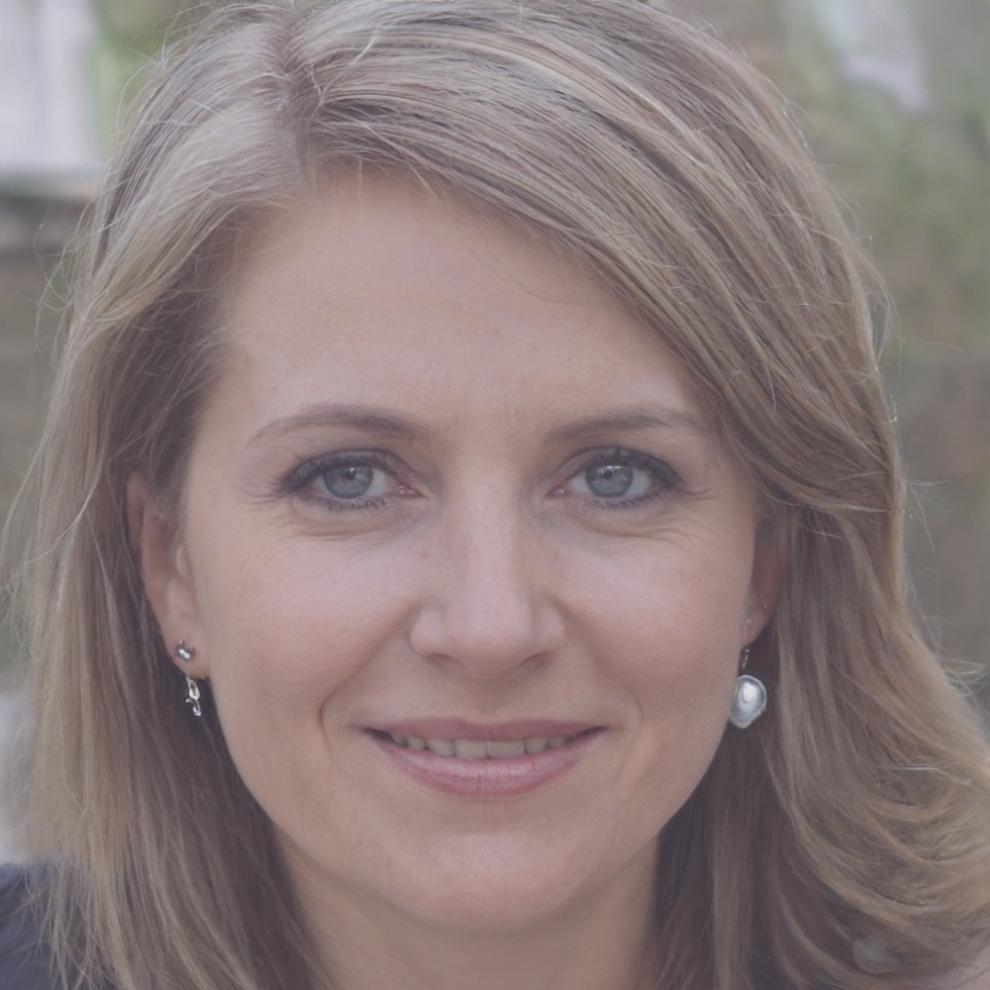
Isolde Brekke
Regional CoordinatorHelps translate finance concepts into plain language for everyday use
Weekly Sessions
Two evening video calls per week covering new concepts and troubleshooting real issues participants are facing
Practice Tasks
Work through exercises using your actual business numbers, with feedback on your approach and results
Template Library
Downloadable spreadsheets and checklists you can customize for your specific business setup
Next Cohort Starts in Six Months
We keep groups small so everyone gets individual attention. Spaces fill up quickly because word gets around when something actually helps. If you're tired of feeling confused about your business finances, this might be exactly what you need.
Get Program Details